For many people, Christmas, the Christmas dinner and the festive season are something to look forward to all year. The lights, the family gatherings, the food, the odd drink, and the general sense that normal rules are relaxed for a while. And that’s grand — to a point.
But if you live with heart health issues, high cholesterol, diabetes, food intolerances, or other special dietary requirements, the festive season can also be a minefield. I know this from personal experience. Since my heart attack, food choices, portion sizes and balance matter far more than they ever did before — not just in January, but especially in December.
This article isn’t about sucking the joy out of Christmas. It’s about being sensible, realistic, and kind to yourself while still enjoying the season.
The Festive Season Isn’t Just One Day
One of the biggest traps we fall into is pretending Christmas is “just a day”. In reality, it’s weeks of:
- Bigger portions
- More processed food
- Extra salt and sugar
- Alcohol at irregular times
- Less routine and exercise
For someone with heart issues or dietary restrictions, this cumulative effect matters. A few days of overindulgence can turn into three or four weeks very quickly.
The key is not perfection — it’s damage limitation.
TL;DR
- Christmas is more than one day — weeks of overindulgence add up
- Don’t skip meals to justify a big dinner; it often backfires
- Portion size matters more than completely avoiding festive food
- Watch salt, sugar and processed foods — they hit heart health hardest
- If you have special dietary needs, you’re not being awkward
- Be honest about alcohol and avoid drinking several days in a row
- Keep moving daily, even with a simple walk
- Listen to your body and don’t ignore warning signs
You can enjoy Christmas and look after your health — being sensible now saves regret later.
Don’t Skip Meals to “Save Up” for Dinner
This is a common one, and it’s a bad idea.
Skipping breakfast or lunch to justify a big Christmas dinner often leads to:
- Overeating later
- Poor blood sugar control
- Bigger spikes in cholesterol and blood pressure
- Feeling sluggish or unwell
If you have heart disease or diabetes, regular meals help keep your body steady. A light, balanced breakfast and lunch will actually help you enjoy dinner without going overboard.
Think:
- Porridge with fruit
- Wholegrain toast with eggs
- Soup and a sandwich
Nothing fancy — just sensible.
Portion Size Matters More Than the Menu
You don’t have to avoid Christmas dinner entirely.
The bigger issue for heart health is how much, not just what.
A practical approach:
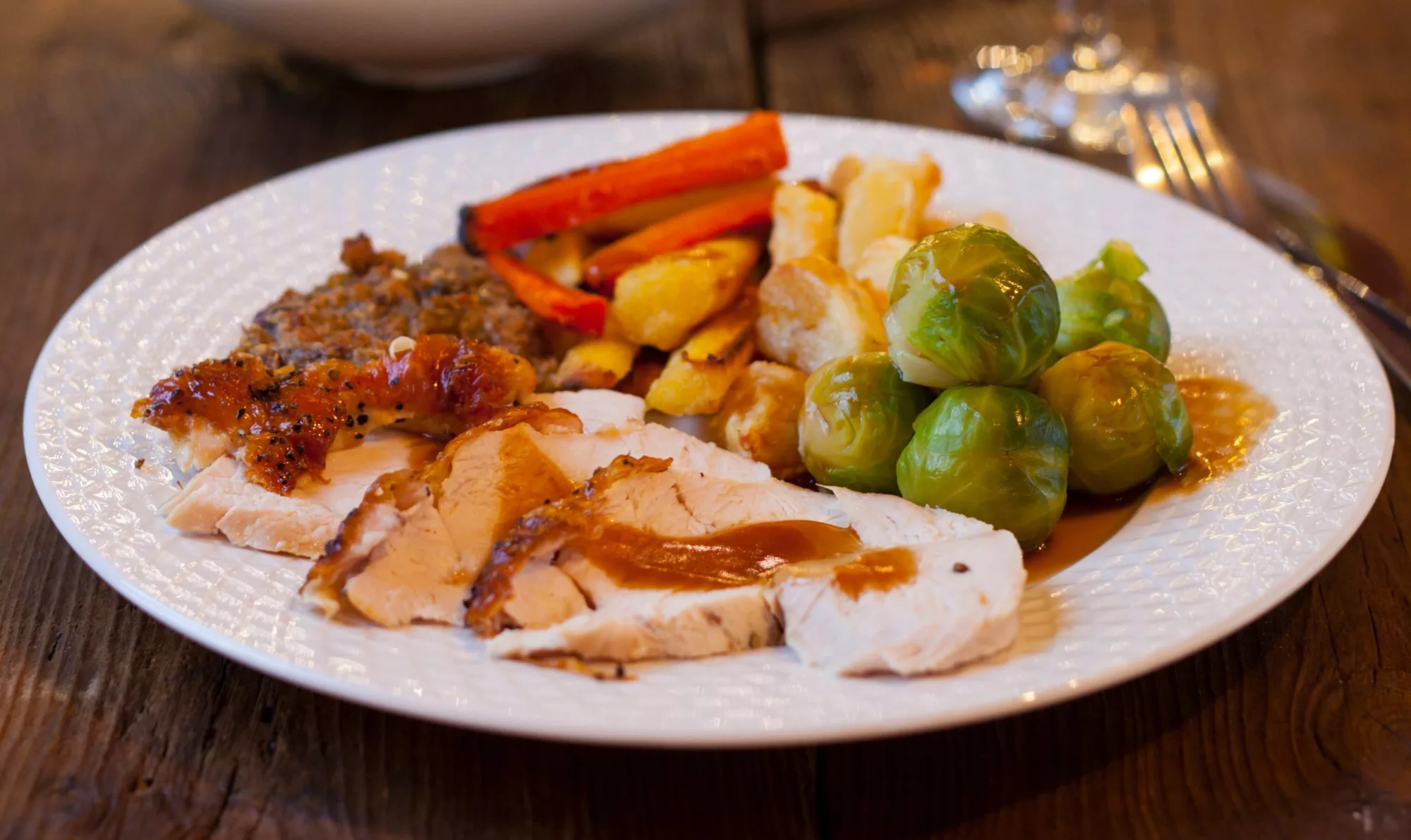
- Fill half your plate with vegetables first
- Be realistic with roast potatoes and stuffing
- Choose one main protein, not three
- Go easy on creamy sauces and gravy
You can still enjoy turkey, ham, or even beef — just don’t stack the plate like it’s your last meal.
And remember: leftovers count too. Christmas dinner three days in a row is still Christmas dinner.
Watch the Salt (It’s Everywhere)
Processed festive foods used in Christmas dinner’s can be loaded with salt:
- Ham
- Stuffing
- Gravies
- Cheeses
- Party foods and finger snacks
High salt intake can raise blood pressure quickly, which is a real concern if you’ve heart issues.
Simple steps:
- Taste before adding salt (most foods don’t need more)
- Balance salty foods with fresh vegetables
- Drink plenty of water throughout the day
That bloated, heavy feeling isn’t “just Christmas” — it’s often salt.
Special Diets: You’re Not Being Awkward
If you’re gluten-free, diabetic, lactose intolerant, or following a heart-friendly diet, you are not being difficult.
It’s perfectly reasonable to:
- Ask what’s in a dish
- Bring a suitable alternative
- Say no to food that doesn’t suit you
Your health comes before politeness.
If you’re hosting, it’s easier than people think to offer:
- Plain vegetables
- Grilled or roasted meats without sauces
- Simple desserts with reduced sugar
Christmas doesn’t have to mean “everything covered in cream”.
Alcohol: Be Honest With Yourself
Alcohol is often where good intentions fall apart.
For heart health:
- Alcohol raises blood pressure
- Adds empty calories
- Affects sleep and medication
You don’t have to be tee-total, but be honest:
- Alternate drinks with water
- Set a limit before the evening starts
- Avoid drinking several days in a row
And if you don’t drink at all? That’s perfectly fine. Anyone who has an issue with that isn’t worth worrying about.
Keep Moving (It Doesn’t Have to Be a Workout)
The festive season is very good at keeping us sitting down.
You don’t need the gym — just movement:
- A walk after your Christmas dinner (or any meal)
- Getting out for fresh air
- Doing something active with family
Even 20–30 minutes a day helps with digestion, blood sugar, mood and heart health.
Listen to Your Body
This is especially important if you’ve heart issues.
If you feel:
- Unusually tired
- Short of breath
- Dizzy
- Chest discomfort
Don’t ignore it or blame Christmas excess. Get checked.
You know your body better than anyone.
Christmas Is About More Than Food
Food is a big part of the festive season — but it’s not the only part.
The memories, the chats, the laughs, the time spent with people you care about — none of that depends on what’s on your plate.
Being sensible now means:
- Fewer regrets in January
- Better long-term health
- Actually enjoying the season instead of feeling awful through it
Mind yourself this Christmas. You don’t have to miss out — you just have to be smart about it.
As always, this article is based on personal experience and general guidance. If you’ve specific medical concerns, follow the advice of your GP or cardiac team.