A STEMI Survivor’s Perspective on Misleading Health Labels in Ireland
As someone who survived a STEMI (affectionally known as a ‘widow-maker’) heart attack, my relationship with food changed dramatically. I now read labels carefully. I watch salt and sugar intake not just because I was told to, but because I have to. Yet the more I examine so-called “healthier” products on Irish supermarket shelves, the more alarmed I’ve become.
Phrases like “No Added Sugar”, “Zero Sugar”, “Less Salt”, and “Reduced Fat” are plastered across packaging, but behind these labels often lurk a cocktail of artificial additives and sweeteners that many consumers don’t fully understand — and which may not be as harmless as marketers would have us believe.
The Health Halo: “No Added Sugar” ≠ Healthy
Let’s be clear — removing added sugar doesn’t always result in a better product. Food manufacturers, both major brands and own-label products from Tesco, Dunnes, Lidl, Aldi, and SuperValu, often replace sugar with high-intensity artificial sweeteners or sugar alcohols. The aim? Maintain that sweet taste we’ve become addicted to, while lowering the official sugar content for the label.
But what are they putting in instead?
Common Sugar Replacements Used in “Healthy” Irish Foods
1. Sucralose (E955)
- 600x sweeter than sugar.
- Used in yoghurts, soft drinks, protein bars.
- Tesco’s “No Added Sugar” fruit squashes and SuperValu sugar-free drinks & baked beans contain this.
- Concern: While approved by the European Food Safety Authority (EFSA), recent studies suggest sucralose may interfere with gut microbiota and could lead to glucose intolerance — both red flags for heart and metabolic health.
2. Aspartame (E951)
- A synthetic sweetener used in everything from diet drinks (like own-brand cola from Aldi and Lidl) to chewing gum and desserts.
- Controversial history: Linked to headaches and migraines in some users. In 2023, the WHO’s cancer research agency classified it as “possibly carcinogenic to humans”, while still noting that safe limits exist.
- My concern: Why even include it in foods marketed to be “healthier” when safer alternatives like stevia exist?
3. Acesulfame K (E950)
- Often combined with aspartame or sucralose to give a longer-lasting sweetness.
- Found in sugar-free jelly, protein yoghurts, and “low calorie” drinks, especially from supermarket own brands.
- EFSA allows it, but animal studies have raised questions about potential metabolic impacts, especially when combined with other additives.
4. Sorbitol, Xylitol, Maltitol (Sugar Alcohols)
- Found in sugar-free mints, protein bars, and diabetic-friendly foods.
- May cause digestive distress like bloating and diarrhoea, especially in higher quantities.
- Lidl’s low-sugar chocolate and Aldi’s “Living Culture” yoghurts sometimes contain these.
- Even if “natural,” they impact gut health and can still spike insulin in some cases.
5. Green S (E142)
- A synthetic coal tar dye used to colour drinks, jellies, peas and desserts — especially in “No Added Sugar” cordials and jelly cups.
- Still found in cheaper own-brand squashes, & tins of peas from Supervalu, Tesco, Dunnes, and Aldi.
- Banned in the US, Canada, and Japan due to safety concerns, but still legal in the EU within limits.
- Linked in some research to hyperactivity in children, and its long-term effect on adults — especially those with cardiovascular or metabolic conditions — is not fully understood.
- My view? If it’s banned elsewhere, why are we still eating & drinking it here?
Sodium Reduction? It’s Often Just Replaced With Something Else
“Reduced Salt” or “No Added Salt” options may contain:
- Potassium chloride – which can be dangerous for people with kidney issues or those on certain medications.
- MSG (Monosodium Glutamate) – added to enhance flavour in low-salt ready meals or soups.
- Yeast extracts or hydrolyzed vegetable proteins – essentially forms of free glutamate that replicate salt’s umami taste.
For example:
- Dunnes’ own brand “Healthy Living” soups and Tesco “Low Salt” baked beans often use yeast extract.
- SuperValu’s “Balanced For You” lasagne uses a combination of potassium salt and flavour enhancers.
These aren’t always flagged in large print — you need to read the fine print, which isn’t realistic for many time-poor shoppers or elderly consumers trying to manage hypertension or heart disease.
Why It Matters: For Heart Patients, Children, the Elderly and Everyone Else
As a heart attack survivor, I’ve come to realise that what I don’t know could kill me — again.
These artificial ingredients are not neutral. Some have long-term unknowns, while others have known side effects. In Ireland, where cardiovascular disease is still the leading cause of death, we should be encouraging real, whole foods — not ultra-processed “health halo” products.
According to Safefood Ireland, many of these substitutes appear in ultra-processed foods that still contribute to poor heart health, even if they’re technically low in sugar or salt. And let’s not forget: sweeteners encourage a sweet tooth, particularly among children.
Better Choices? Real Examples from Irish Supermarkets
Here’s just a few examples of what I’ve found on recent label checks in Irish shops:
| Product | Label Claim | What’s Really Inside | Notes |
|---|---|---|---|
| Tesco No Added Sugar Orange Squash | “No added sugar” | Sucralose, Acesulfame K | Artificially sweetened |
| SuperValu Diet Cola | “Zero sugar” | Aspartame, Acesulfame K | Sweetness comes from chemicals |
| Lidl Freeway Cola Light | “Sugar free” | Aspartame | Same artificial makeup as diet brands |
| Aldi Everyday Essentials Baked Beans | “Reduced salt” | Salt reduced, but contains sugar and modified starch | Processed with minor improvements |
| Dunnes Stores Healthy Living Granola | “Low sugar” | Uses maltodextrin and glucose syrup | Misleading for diabetics |
| Protein puddings & yoghurts (all brands) | “No added sugar” | Sucralose and other sweeteners | Highly processed; not real food |
What Should We Be Asking?
- Why are food manufacturers replacing one problematic ingredient with another?
- Why aren’t more natural options like stevia, monk fruit, or whole fruit sweetening used in mass-market products?
- Why doesn’t the Food Safety Authority of Ireland require more transparency in front-of-pack labelling?
A Direct Plea to Irish Supermarkets: Be Better
To Tesco, SuperValu, Dunnes, Lidl, and Aldi — you have a unique power and responsibility. Your own-brand products are everywhere, in nearly every home in Ireland. You’ve earned the trust of families, pensioners, carers, people living with chronic illnesses, and those like me who are trying to recover from major heart events.
So I’m asking — no, urging — you to do better.
Stop hiding behind slick labels like “No Added Sugar” and “Reduced Salt” while sneaking in a chemical cocktail. Don’t just chase “low calorie” at the cost of long-term health. Lead the way by reformulating your own-brand ranges with real ingredients. Choose natural alternatives, be upfront on packaging, and invest in genuinely healthier options, not just legally permissible shortcuts.
You have the scale, the resources, and the reach to make a difference. You can shape a healthier Ireland. Not in 10 years — now.
Show real leadership. Not because you have to. Because it’s the right thing to do.
Because people like me — survivors — are watching every label, every choice, and every bite.
My Personal Policy is Changing & …
I’m urging you to make some changes too:
- Avoid anything with aspartame, sucralose, or acesulfame K — even if it means skipping “low sugar” labels.
- Choose plain yoghurts, homemade meals, unsweetened drinks, and real fruit over processed snacks.
- Support Irish producers who focus on minimally processed, honest foods.
Final Thoughts: We Deserve Better
As Irish consumers — and especially as people managing serious health conditions — we deserve honest food labelling. “No added sugar” should not mean chemically sweetened. “Reduced salt” shouldn’t come with flavour enhancers or hidden substitutes that pose other risks.
I’m not anti-science or anti-food tech — but I am pro-transparency, pro-heart health, and pro-informed choice.
So next time you see a “healthier” food label in Aldi, Tesco, Lidl, SuperValu, or Dunnes — flip it over, read it fully, and ask yourself: Is this really better?
Your heart might depend on it. Mine already did.
Rupert – STEMI Survivor, Irish Consumer, and Label Reader for Life
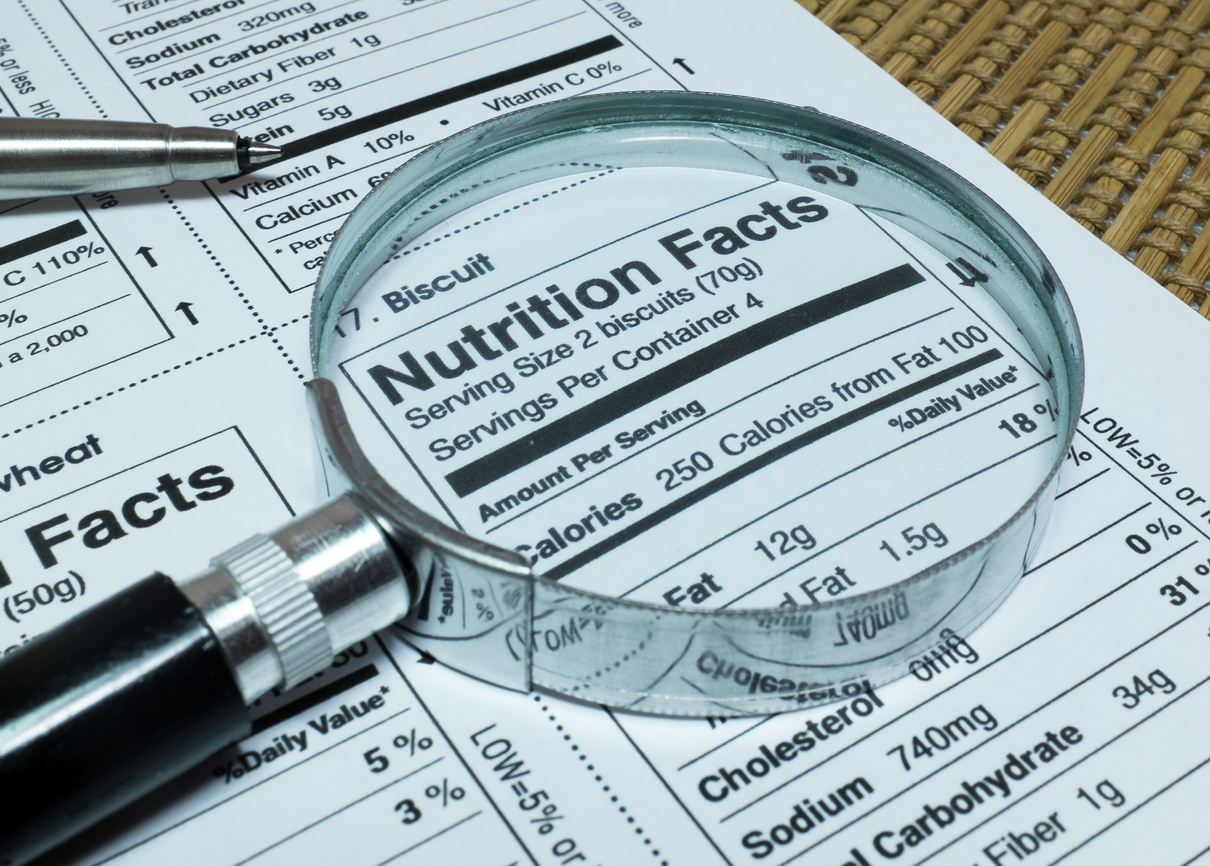
📍 Based in Connacht, surviving and thriving with common sense and a magnifying glass.