A personal perspective following my heart attack
After surviving a serious heart attack (a STEMI, in my case), I’ve become much more aware—and cautious—about the foods I put into my body. What I once took for granted, I now question: Is this helping or hurting my heart? Coconut and coconut milk are a perfect example. They sound healthy. They taste amazing. But are they truly heart-friendly, especially if you’ve had a cardiac event?
Let’s look into it together—honestly, practically, and with concern for those of us living with heart disease or working to prevent it.
🌴 The Allure of Coconut
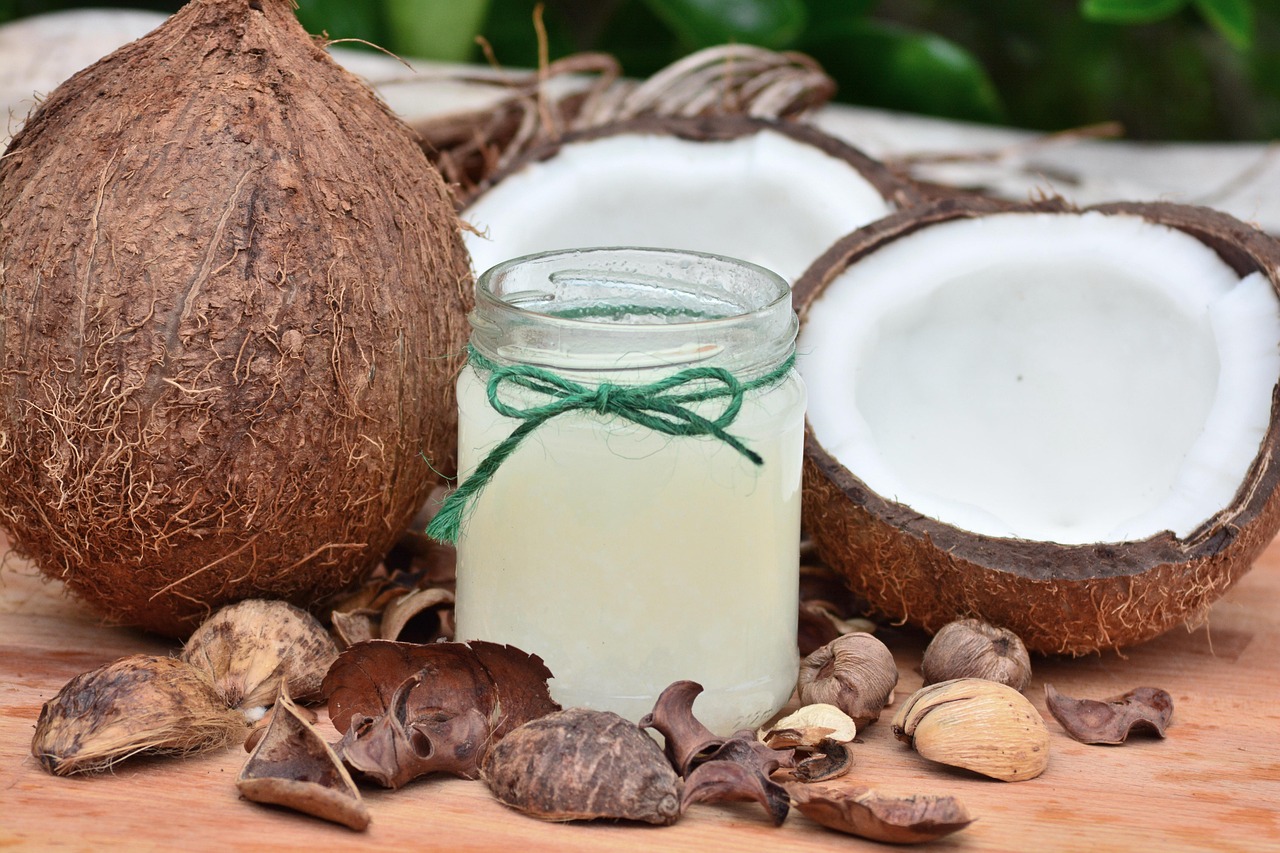
Coconut is a wonderfully versatile ingredient. It brings richness to curries, depth to smoothies, and a tropical twist to baking. Coconut milk—made by pressing the flesh of mature coconuts with water—is especially popular in plant-based diets. But it’s also high in saturated fat, which raises a red flag for anyone watching their heart health.
Nutritional Highlights (per 100ml of full-fat coconut milk):
- 12-15g of saturated fat
- Calories: ~150
- Contains lauric acid, a type of saturated fat
- Low in protein and carbohydrates
- Minimal micronutrients
While traditional diets in parts of the Pacific use coconut heavily, their overall lifestyle is different—active, low-stress, and with minimal processed food. That context matters.
❤️ Coconut Milk After a Heart Attack: A Word of Caution
As someone who’s lived through a heart attack, I now read nutrition labels with real concern, not just curiosity. Coconut milk—especially the full-fat kind—is rich in saturated fat, and research continues to show mixed results on how this impacts cholesterol levels and heart disease risk.
What the research says:
- Lauric acid may raise both LDL (bad) and HDL (good) cholesterol.
- Some studies suggest coconut oil and milk raise LDL cholesterol less than butter, but more than unsaturated plant oils.
- There is still no strong evidence that coconut milk is protective against heart disease.
💬 From my experience: After a heart attack, even foods that sound plant-based or “natural” should be approached carefully. Coconut milk is not off-limits, but it should be used mindfully and in moderation.
🥥 Full-Fat vs. Light Coconut Milk
Not all coconut milk is created equal.
| Type | Saturated Fat (per 100ml) | Notes |
|---|---|---|
| Full-Fat | 12-15g | Rich, creamy, high in fat |
| Lite | 2-4g | Diluted, lower fat option |
| Carton/Drink | 0.5-1g | Often used like almond milk |
If you’re cooking a dish that needs coconut milk for flavour, try using light versions or mixing half coconut milk with a heart-healthy alternative.
✅ Safer Plant-Based Alternatives
If you, like me, are aiming to reduce saturated fats, here are some heart-smart plant-based milks that still deliver great taste and texture:
🫘 Oat Milk
- Contains beta-glucan, known to help lower LDL cholesterol
- Creamy and mild
- Great for porridge, baking, or even coffee
🌰 Almond Milk
- Very low in saturated fat
- Often fortified with calcium & vitamin D
- Light and versatile
🌱 Soy Milk
- High in plant protein
- Isoflavones may help improve blood lipid levels
- Slightly nutty taste, excellent for savoury dishes
🌿 Flax & Hemp Milk
- Provide omega-3 fatty acids, good for the heart
- Low in saturated fat
- More niche, but worth a try
🧠 Important Takeaways
Living with heart disease—or recovering from a heart attack like I am—changes how you see food. Coconut milk isn’t evil, but it’s not a “free pass” just because it’s plant-based.
Here’s what I’ve learned and now live by:
✅ Use coconut milk sparingly, especially the full-fat kind
✅ Try light coconut milk or mix with oat/soy milk
✅ Read labels. Saturated fat content matters
✅ Choose alternatives like oat or soy milk for daily use
✅ Keep your diet full of whole foods, fibre, and omega-3s
Most importantly: Speak with your doctor or dietitian before making big changes—especially after a cardiac event. What works for one person may not be best for another.
📚 References for Further Reading
I always encourage readers to do their own research. Below are links to trustworthy sources:
- Eyres L, et al. (2016). Coconut oil consumption and cardiovascular risk factors in humans. Nutrition Reviews. https://doi.org/10.1093/nutrit/nuw002
- Khaw KT, et al. (2018). Randomised trial of coconut oil, olive oil or butter on blood lipids and other cardiovascular risk factors. BMJ Open. https://doi.org/10.1136/bmjopen-2017-020167
- Harvard T.H. Chan School of Public Health – The Nutrition Source on Coconut Oil
- British Heart Foundation – Fats explained
- American Heart Association – Dietary Fats
💬 Final Word from a Survivor
I know what it’s like to go from “fine” to ambulance in minutes. After my own heart attack, I’ve become passionate about understanding food and sharing that journey. This post isn’t meant to scare you—but to help you make informed, cautious choices if your heart has already been through enough.
Stay kind to your heart.
— Rupert / iambaldish